










































Right to Health and Healthcare Campaign (RTHHC)
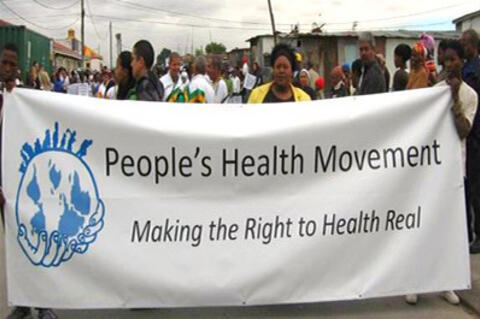
This advocacy campaign involves coordinated national and international level action. PHM is using a consultative process currently active in about 25 countries on 4 continents to involve thousands of people in making this demand. For PHM, the purpose is to get an overview of the status of the right to health and health care. This information will also serve to generate support at the international level, and at the World Health Organization (WHO), to more actively advocate for the health rights of the underserved. PHM represents a large constituency of grassroots health workers, activists, and citizens, and so the involvement of many people in the campaign is key.
The first phase involves the production of rights-based assessments of national health policies in selected countries with PHM circles. The global coordinating group has developed a 43-page "The Assessment of the Right to Health at the Country Level: A People's Health Movement Guide" [PDF] (available in several languages) as one means for national PHM circles to use in producing consistent reports using United Nations (UN) human rights covenants as a reference. Instructions within the guide read: "The RTHHC will denounce any documented violations of the right to health, including those related to the social determinants of health. Once your country assessment is finished, it can be used in different ways, depending on the situation in your country, in addition to following the RTHHC process as set out in the campaign proposal....The main focus of this assessment is on government responsibilities. By answering a series of five main questions you will be able to demonstrate how your government is fulfilling (or not fulfilling) its commitments to promote the wellbeing of its people. You will then develop policy demands that will be presented at the national and international levels during the latter stages of the campaign. You can also choose to hold non-state actors (such as corporations, or nongovernmental organizations) accountable for their role in violations to the right to health. In that sense, this assessment guide and the RTHHC provide the opportunity for claim-holders and civil society actors to work together to challenge the private exploitation of the health sector."
This process will generate lobbying/activist strategies to use on the national and international level. Key strategic allies within international organisations will be enlisted. Regional meetings should subsequently generate a RTH Global Action Plan for PHM.
Health, Rights.
Email from Linda Mashingaidze to Soul Beat Africa on April 1 2010; and PHM website, April 28 2010.

- Log in to post comments