










































Positioning Demand Generation in National EPI Planning and Implementation Processes
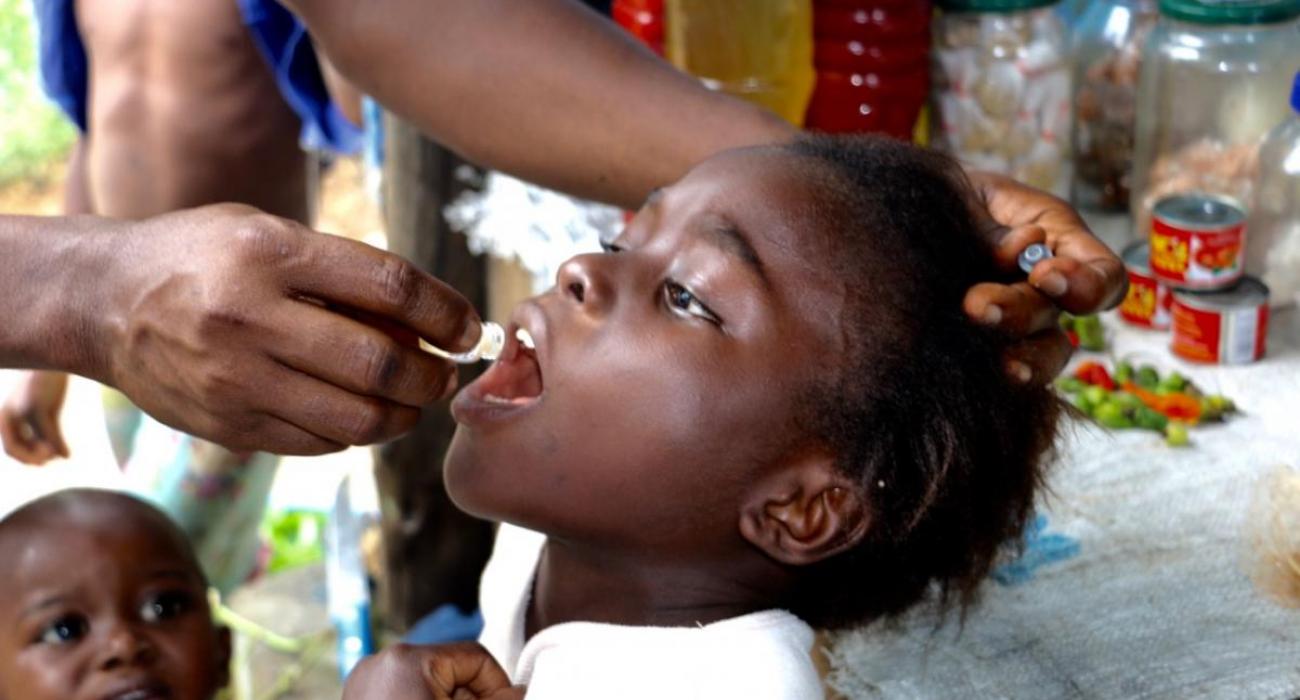
Demand generation is a process of communication and engagement to enable, inform, motivate, and empower specific groups to access a health service, and to claim their right to do so. Strategic Objective 2 of the Global Vaccine Action Plan (GVAP) emphasises the need for demand generation for immunisation: "Individuals and communities understand the value of vaccines and demand immunization as both their right and responsibility." Created in support of this process, this guide was initiated by the United Nations Children's Fund (UNICEF) WCARO (West & Central Africa Region), the World Health Organization (WHO) AFRO (Africa Regional Office), and the UNICEF ESARO (East and South Africa Regional Office).
These organisations note in the opening pages of the guide that traditional communication for development approaches, based on the Socio-Ecological Model (SEM) and proven communication theories, are used to generate demand for immunisation services and increase immunisation uptake. These approaches are:
- Advocacy: building coalitions and communicating evidence to influence decision makers, stakeholders and relevant audiences to change law, policies, and administrative practices.
- Social mobilisation: uniting partners at national and community levels through dialogue, coalition building and group activities to create an enabling environment for positive health behaviours.
- Social change communication: enabling interpersonal communication and community dialogue to allow groups of individuals to engage in a participatory process to define their needs, demand their rights and transform their social system.
- Behaviour change communication: implementing interpersonal communication and mass/social media campaigns to change individual knowledge, attitudes, motivation, self-efficacy, and behaviour.
- Capacity building and motivation of EPI staff and managers, health workers (HW), community health workers (CHW), and civil society organisations (CSOs) to enable them to implement and manage demand generation activities and effectively link immunisation services to communities.
Table of contents:
- Overview of demand generation within the EPI [Expanded Program for Immunization] programme
- The EPI structure
- Demand generation
- The EPI planning process
- Planning and resourcing the EPI demand generation component
- Planning for evidence in the EPI demand generation component
- The integration of demand generation in other EPI programme components
- Bridging the gap between supply and demand
- Planning for other health sector convergence and equity
- The need for effective coordination mechanisms
- Adverse Events Following Immunization (AEFI) and Vaccine-Related Events (VRE)
- Consideration for new focus areas
- Checklists to position demand generation in the EPI review
- What is an EPI review?
- How is an EPI review structured?
- What happens in an EPI review process?
- How to review the demand generation component
- Technical essentials for the demand generation review process (according to the five common stages of a EPI review process)
- Checklists to position demand generation in comprehensive Multi-Year Planning
- What is comprehensive Multi-Year Planning (cMYP)?
- How is a cMYP structured?
- How is the national EPI communications strategy linked to the cMYP?
- How to prepare for the cMYP
- During the cMYP: how to plan and for the demand generation component
- Checklist to position demand generation in applications for GAVI Health System and Immunization Strengthening (HSIS) support
- What is GAVI HSIS support?
- How can GAVI HSIS support be accessed?
- What happens in the initial process of engagement?
- What details are required in the Programme Support Rationale (PSR)?
- How to position demand generation in GAVI HSIS/PSR process
Publishers
31
Rhizome by GPEI, October 30 2017. Image credit: WHO-AFRO
- Log in to post comments