










































Perspectives on the Measles, Mumps and Rubella Vaccination among Somali Mothers in Stockholm
The Public Health Agency of Sweden (Jama, Ali, Lindstrand); WHO Regional Office for Europe (Butler); Karolinska Institute (Kulane)
The most commonly reported reason for vaccine hesitancy is concern regarding the safety of one or more vaccines, and most common is the fear of presumed side effects of the measles, mumps, and rubella (MMR) vaccine. According to the Strategic Advisory Group of Experts (SAGE) working group matrix for vaccination hesitancy, several individual and contextual issues - including the impact of social networks - play a role, in addition to vaccine-specific issues. Child Health Centres (CHCs) in the Rinkeby and Tensta districts of Stockholm, Sweden, reported MMR coverage of 71.5% and 69.7%, respectively, in 2012. The 2 districts have approximately 30% of residents with a Somali origin. The vaccination coverage has remained low since the late 1990s, when Wakefield published the later-refuted article on a presumed link between autism and the MMR vaccine. This study aimed to explore factors influencing the decision of Somali parents living in the Rinkeby and Tensta districts on whether or not to vaccinate their children with the MMR vaccine.
Participants were 13 mothers of at least one child aged 18 months to 5 years, who were recruited using snowball sampling. From June to September 2013, in-depth interviews (IDIs) were conducted in Somali and Swedish languages, and the data generated were analysed using qualitative content analysis.
Seven of the mothers had not vaccinated their youngest child at the time of the study and decided to postpone the vaccination until their child became older (delayers). The other 6 mothers had vaccinated their child for MMR at the appointed time (timely vaccinators). The analysis of the data revealed 2 main themes:
- Barriers to vaccinate on time included issues surrounding fear of the child not speaking (as a sign of autism) and unpleasant encounters with nurses. For example, pressure from other parents in their social network, including parents they did not known personally, created a perception among the delaying mothers that they would put their children's ability to speak at risk if they accepted the vaccine. The parents met these people in many settings, such as gatherings where women meet to listen to religious leaders and other social events, but most often at the CHCs.
- Facilitating factors to vaccinate on time included heeding vaccinating parents' advice, trust in nurses, and trust in God. The mothers who had vaccinated their children had a positive impact in influencing other mothers to also vaccinate.
The researchers stress that is no evidence that the risk of autism is higher in children vaccinated with MMR, yet the rumours questioning its safety continue. The mothers interviewed in this study found the process of deciding whether to have their children vaccinated difficult and stressful because of the ongoing debate. They suggest that interventions should focus on communication mechanisms and decision-making pathways that would contribute to improving immunisation coverage with the MMR vaccination in this population. For example, there is a need to address mothers' concerns regarding vaccine safety while improving the approach of nurses as they address these concerns. "The positive attitude of CHC nurses can compel mothers to vaccinate their children, due to the strong trust accorded to them."
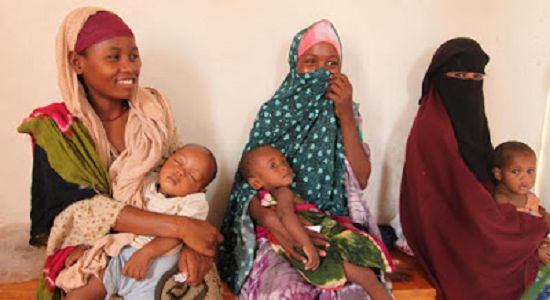
International Journal of Environmental Research and Public Health 2018, 15, 2428; doi:10.3390/ijerph15112428. Image credit: Let's have a Conversation: Health & Vaccine Safety
- Log in to post comments