










































The Media and COVID-19 in West Africa
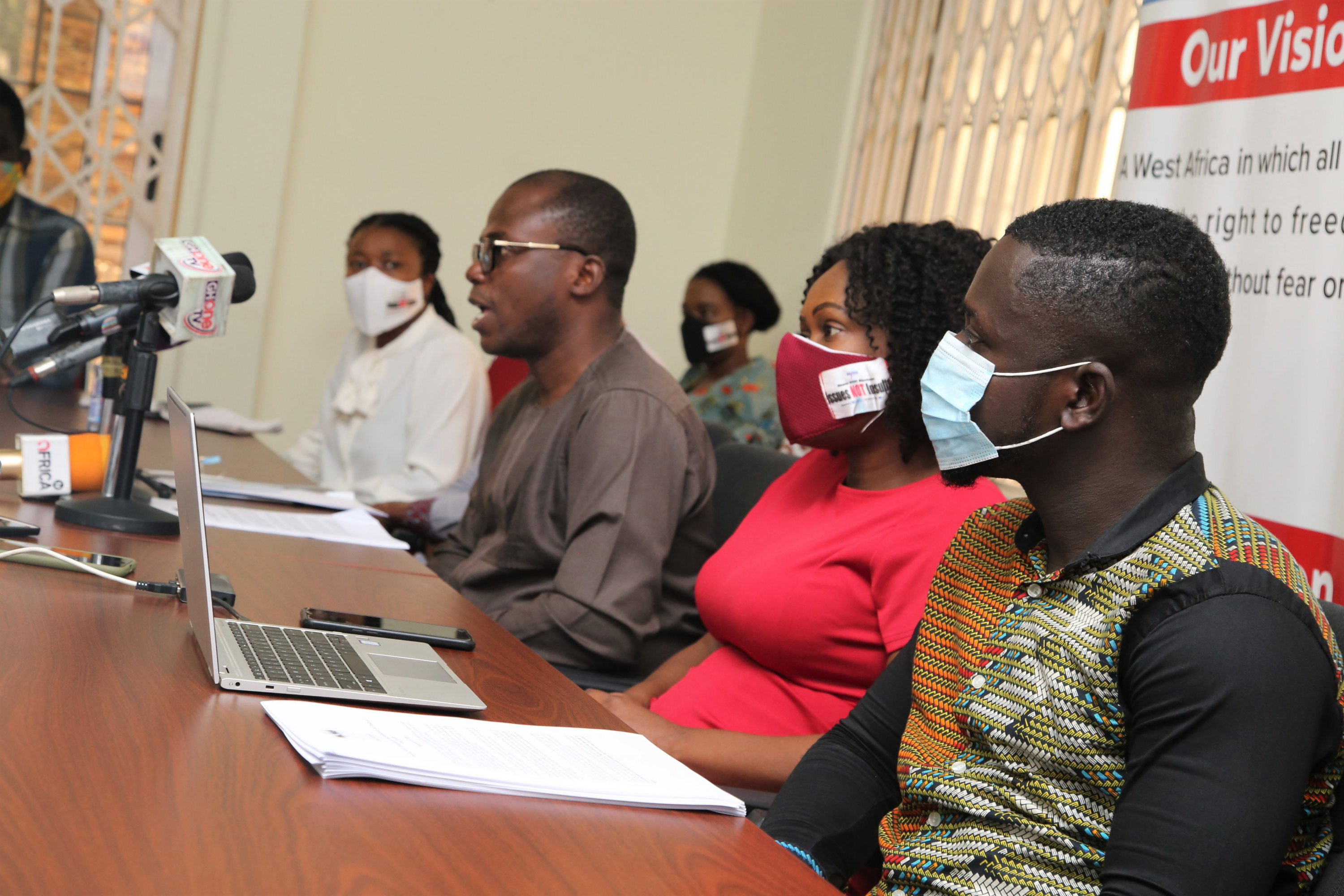
"The outbreak of the COVID-19 disease has brought into sharp focus the imperative of the media in society...At the same time, the outbreak has seriously disrupted, and significantly destabilised, media systems and news routines in the countries of West Africa...[L]ike the virus itself, all [effects] require some examination to establish the evidence empirically; all require collaboration to ensure that response and recovery actions are contingent, effective and sustainable."
This series of reports seeks to assess the impact of the COVID-19 pandemic on the media landscape in countries in West Africa, and to share experiences and lessons learned. Published by Media Foundation For West Africa (MFWA) in collaboration with its national partner organisations in the respective countries, the reports seek to track and document the short- and long-term impact of the disease on the mediascape across West Africa to help ensure there is a sustainable future for the fourth estate. It is hoped that the reports will provide empirical information and insights to inform and guide stakeholders in their media sector support interventions at national or regional levels.
Overall, MFWA describes the situation in West Africa as follows: "The media are facing significant financial crisis due to advertising squeeze, less spending by media consumers and some repressive policies by governments which have exacerbated an already precarious sustainability crisis that confronted the region's media. Several journalists have lost their jobs as a result of the economic impact. While the pandemic has made the reliance on the internet and digital tools for media work, the challenges of data cost, slow internet speed, limited technological capacity and other deficits in the utilization of digital tools, further compound the crisis for the media in West Africa."
MFWA specifies that "Stimulus packages announced by governments in response to the pandemic have not included the media as beneficiaries despite the media's role in helping to combat the crisis and the economic impact the crisis has imposed on them. Journalists have come under constant threats and attacks. Several journalists have been arrested, detained or imprisoned under new laws on COVID-19 or the application of existing repressive media laws. Full blown direct censorship is on the rise in many countries."
Given the above scenario, the reports focus on 5 factors that could ultimately impinge on the survival and sustainability of media institutions, journalism professional practice, and freedom of expression in the region. These are:
- Availability and accessibility of COVID-19 information - looks at the challenges journalists experience in accessing information on COVID-19.
- Legal and policy context - tracks the legal and policy restrictions that impact on the work and movement of journalists in a country.
- Safety of journalists - looks at the extent that journalists' safety is affected in relation to issues such as suspensions, arrests, and intimidation.
- Economic sustainability - highlights how the media has been affected financially by the epidemic in each country.
- Media support - explores the organisations and media support programmes existing in a country that could help deal with some of the challenges.
Some of the reports conclude with a set of recommendations for the media, government, and media development organisations.
As of this writing, the reports include the following:
- The Media and COVID-19 in West Africa: Gambia (April 2020) [PDF]
- The Media and COVID-19 in West Africa: Sierra Leone (April - June 2020) [PDF]
- The Media and COVID-19 in West Africa: Nigeria (May - June 2020) [PDF]
- The Media and COVID-19 in West Africa: Ghana March (March - June 2020) [PDF]
- The Media and COVID-19 in West Africa: Liberia (May - June 2020) [PDF]
MFWA website and MFWA website on November 20 2020. Image credit: MFWA via Twitter
- Log in to post comments