










































1 minute
Digital Democracy, Analogue Politics: How the Internet Era is Transforming Kenya (African Arguments)
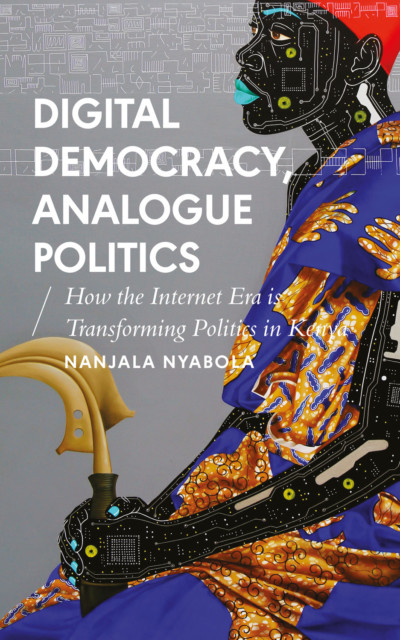
Kenya is the most digitally advanced country in sub-Saharan Africa, where Twitter, Facebook, WhatsApp, and other online platforms are part of everyday life. And, as in Western nations, the digital age has had dramatic effects on society and politics. Yet, while we hear about the #MeToo movement and the Russian bot scandal, there is little appreciation for the feminist movement #MyDressMyChoice and the subversion of state-run political propaganda by social media.
Digital Democracy, Analogue Politics aims to change this by presenting a unique contribution to the debate on digital democracy. For traditionally marginalized groups, particularly women and the disabled, digital spaces have provided vital platforms that allow Kenyans to build new communities that transcend old ethnic and gender divisions. Covering attempts by political elites to prevent social movements from translating online visibility into meaningful offline gains, Digital Democracy, Analogue Politics explores the drastic efforts to contain online activism and new methods of feminist mobilization, as well as how “fake news,” Cambridge Analytica, and allegations of hacking contributed to tensions around the 2017 elections. Reframing digital democracy for the first time from the African perspective, Nanjala Nyabola’s groundbreaking work opens up new ways of understanding our current global online era.
- Log in to post comments